

The effects of trauma can linger in unexpected ways, even years after the traumatic event. You might feel like you’ve moved on, but still struggle with emotional reactions or patterns that you don’t fully understand.
You may have survived what happened to you without professional support, and no one can decide for you if you “need” therapy. But many people find self-compassion and healing through the support of trauma therapy, even if they thought they were fine before.
If you’re wondering if you need trauma therapy, here are some things to consider.
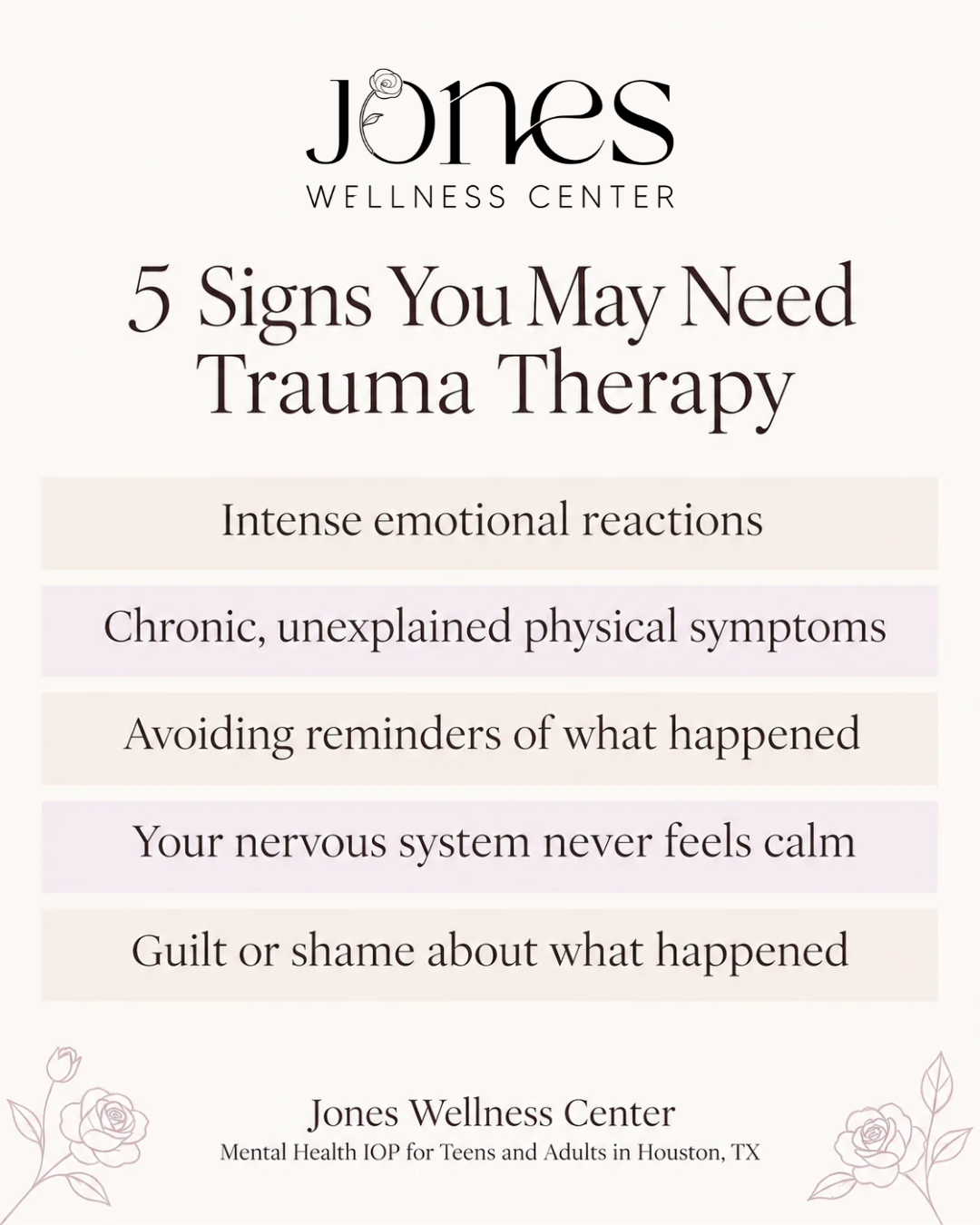
Signs you may need trauma therapy
We aren’t here to tell anyone that they “need” to go to therapy. But the effects of trauma can linger, even when you think you’ve moved on. And when that happens, you deserve support. It may be difficult or even impossible to completely recover from some traumatic events without professional help. That’s nothing to be ashamed of; it’s what therapists are here for.
Here are 5 signs to watch out for. If you notice them, it may be a good idea to look for a trauma-informed therapist.
Intense and disproportionate emotional reactions
You may feel “fine” when you think about what happened. But at other times, your emotional reactions might be sudden and intense, to the point where they surprise you and the people who love you. You might not understand why you felt so upset about certain things.
This could be related to unresolved trauma. Even if you push down emotions related to the traumatic event, they still live in you somewhere. Certain experiences may trigger emotional responses that seem disproportionate to what’s actually happening. These reactions can be painful for you and can also affect your relationships with the people you love.
Chronic and unexplained physical symptoms
Trauma can also manifest physically, through symptoms like unexplained headaches, muscle tension, fatigue, and more. Of course, any physical symptom should always be evaluated by a doctor to make sure there are no underlying medical causes. But if your doctor has told you you’re physically in good health, but you continue to experience these symptoms, then it could be a sign you need therapy for trauma.
Avoiding reminders to the point where you’re not living your life
Avoidance is a core symptom of PTSD. It’s when you go to great lengths to avoid thinking about the traumatic event. You may change your plans to avoid having to run into people, places, or other things that remind you of what happened. Many people also turn to substance use and other unhealthy coping skills to try to forget or avoid memories.
You might think this is a way of coping with the effects of trauma, and it may have protected you until now. But avoidance inherently comes with a big downside: it doesn’t allow you to live your life fully. If you need to plan your day around avoiding certain things, you may be missing out on important experiences or opportunities that would otherwise bring you joy. Your world may become smaller and smaller as you try to protect yourself from painful reminders.
True trauma healing means being able to think about what happened without becoming totally overwhelmed with emotions.
Your nervous system never feels calm
Another trauma response to look out for is hypervigilance. We often say trauma gets stored in the body. It lives in your nervous system. Especially if you went through ongoing trauma (like childhood trauma), your body and nervous system may have learned that it can never let its guard down. Even if you’re safe now, your body may have difficulty distinguishing between real danger and situations that simply remind you of what happened.
Pay attention to signs of hypervigilance like:
- Always looking for the exit
- Feeling anxious when there’s no clear trigger
- Having a constant sense of dread, like you’re waiting for the other shoe to drop
- Feeling unsafe or uneasy when you’re in certain places
If your nervous system never feels safe, therapy may be worth considering.
You feel guilt or shame about what happened
You may know, logically, that whatever you went through wasn’t your fault. But when you think about the traumatic event, you may still experience deep feelings of shame or guilt. You might blame yourself for not preventing what happened, or feel ashamed of how you reacted at the time.
These feelings can be especially common among people who have experienced childhood abuse or other interpersonal trauma. You may have internalized the message that you somehow deserved what happened, even when you know that’s not true. Trauma therapy can help you challenge these beliefs and develop a more compassionate understanding of yourself and your experiences.
How a trauma therapist can help
Talking to a trauma therapist isn’t like talking to a friend about what happened. Trauma therapists are highly trained professionals. They use evidence-based trauma treatment methods to help you process the trauma and learn new strategies to cope with PTSD symptoms.
Healing from trauma involves a lot more than simply talking about the event. And in fact, simply rehashing the trauma over and over again with someone who isn’t a professional can do more harm than good.
Trauma therapy can help you:
- Identify how past traumatic experiences may be affecting your emotions and behavior today
- Learn strategies to manage overwhelming emotions and trauma triggers
- Reduce trauma symptoms like hypervigilance, avoidance, and intrusive memories (flashbacks)
- Process traumatic memories in a safe, structured environment
- Challenge feelings of guilt or shame related to what happened
- Rebuild a sense of safety in your body and everyday life
- Develop healthier relationships and feel more comfortable trusting others
Can I heal from trauma without therapy?
Most people (around 70% in the world) go through at least one traumatic event in their lifetime. Less than 6% of those people develop symptoms of PTSD.
PTSD is a serious mental health condition that almost always requires treatment. It’s very difficult to heal from PTSD on your own. When it’s left unaddressed, it tends to get worse over time.
But you might wonder, what about the other 94% of people who don’t develop PTSD? Do they need therapy too, or can they get through it on their own?
Instead of asking if it’s possible to heal trauma without therapy, we might invite you to ask yourself the reasons why you’re asking the question to begin with. What’s making you want to, or feel like you have to, get through it without therapy?
Whether or not you have PTSD, you deserve therapy if you’ve gone through something traumatic and still experience the effects. Therapy isn’t the only path to healing – true healing usually involves different kinds of support – but it can play an important role.
Intensive treatment for trauma and PTSD in Houston, TX
At Jones Wellness Center, we know that recovery from trauma is possible. If you’ve tried therapy before and still feel overwhelmed by trauma symptoms, please don’t give up hope. You may simply need a different approach or a higher level of care.
Our intensive outpatient program (IOP) in Houston, TX, provides more structured mental health treatment than traditional weekly therapy. Through multiple treatment sessions each week, you can work on understanding your trauma responses and learn new coping strategies, all in a welcoming and cozy environment with people who have been through similar things.
Contact Jones Wellness Center to learn more about our IOP and whether it’s the right fit for you. We also have an adolescent IOP designed especially for teens!